Guide
How Much Does a Driveway Cost in Ireland
The straight numbers on what a new driveway costs in Ireland in 2026, surface by surface, and where cheap quotes quietly cut corners.
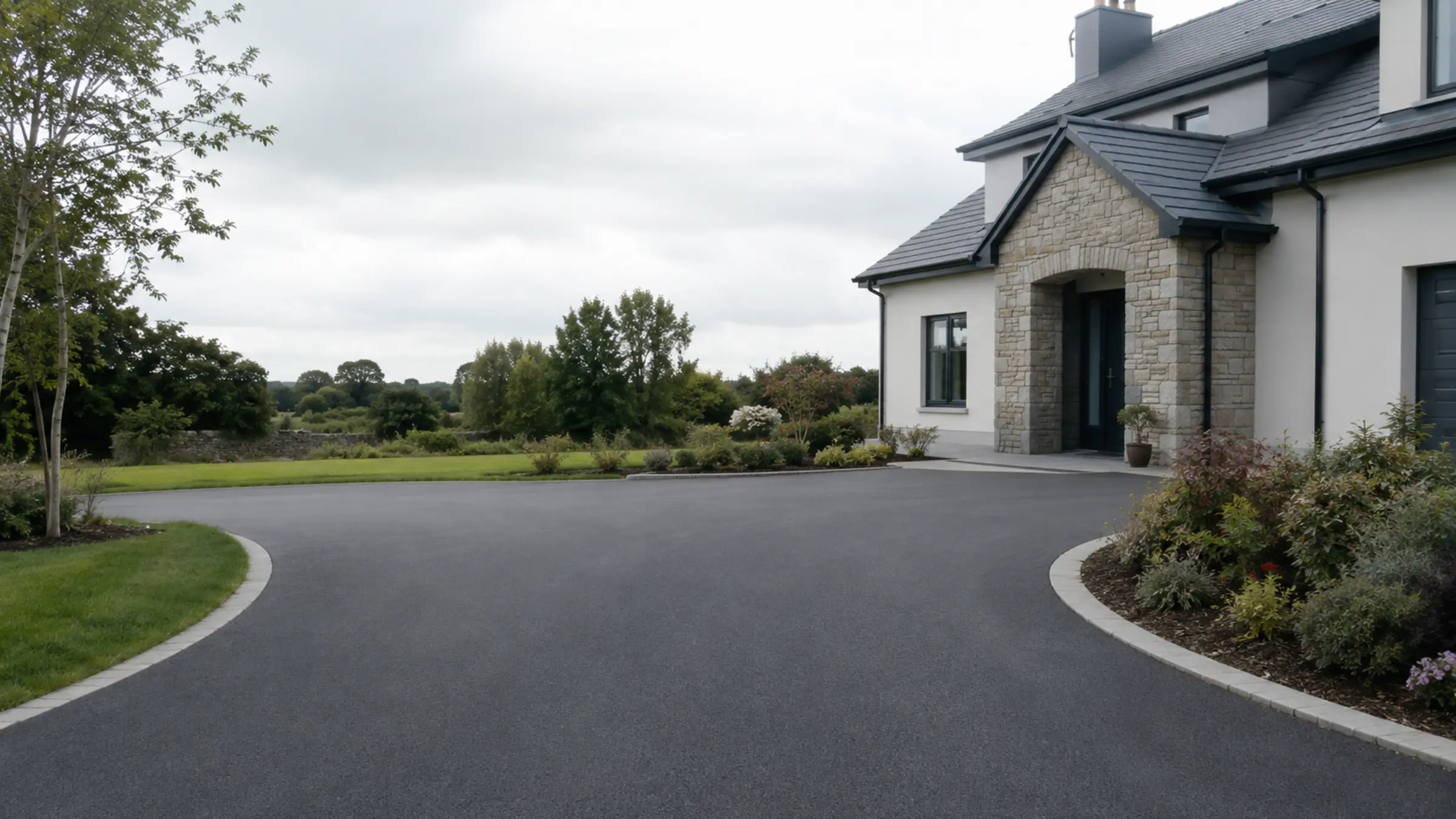
A new driveway in Ireland costs anywhere from €2,500 for gravel up to €15,000 or more for resin bound, and most homeowners end up spending between €5,000 and €12,000. The spread is that wide because the surface you choose is only half the bill. The other half is the ground underneath, which nobody sees and everybody pays for.
The short answer
The Short Answer, by Surface
| Surface | Guide price per m² | Typical driveway |
|---|---|---|
| Gravel | €40 to €70 | €2,500 to €5,000 |
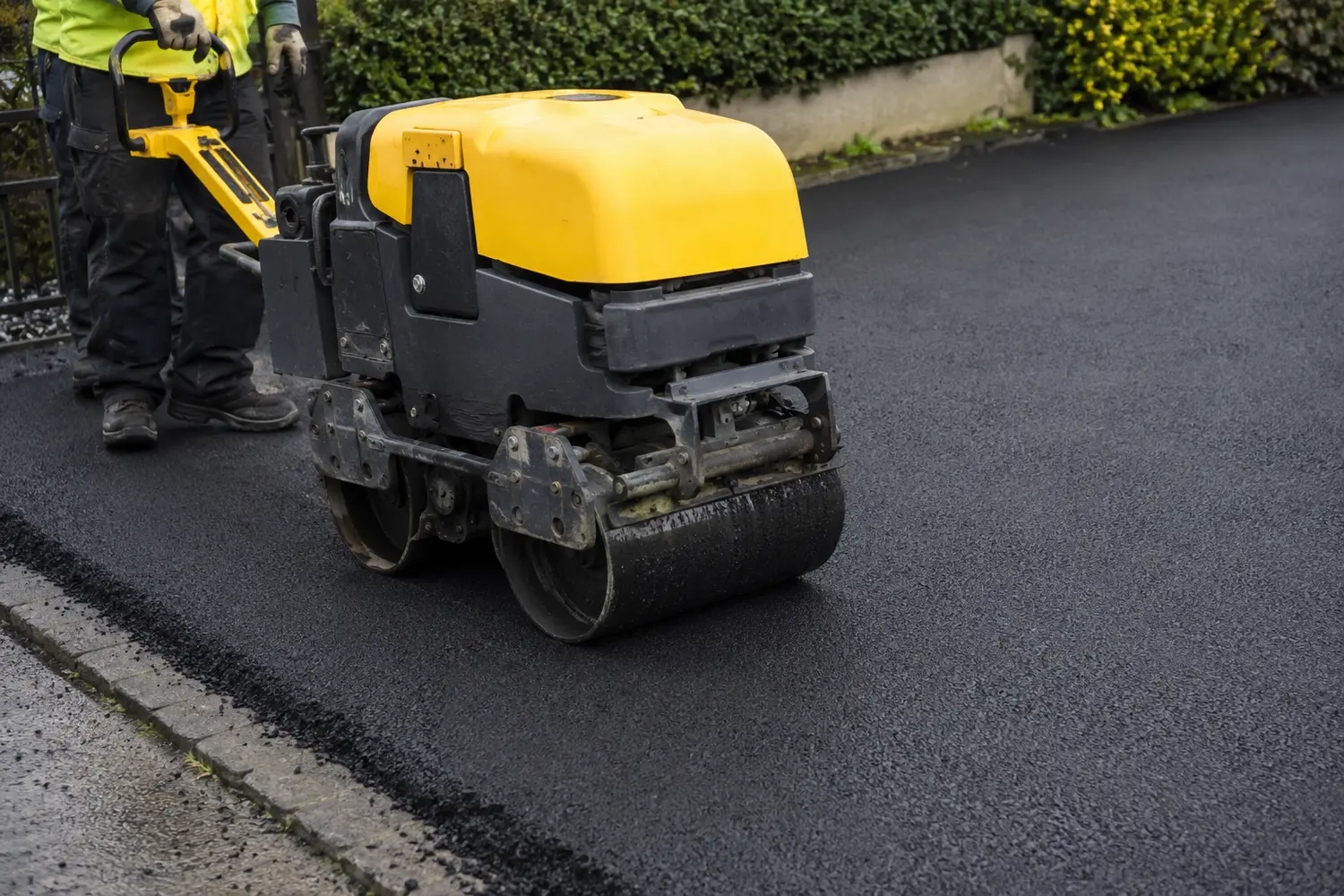
| Tarmac and asphalt | €50 to €90 | €4,000 to €8,000 |
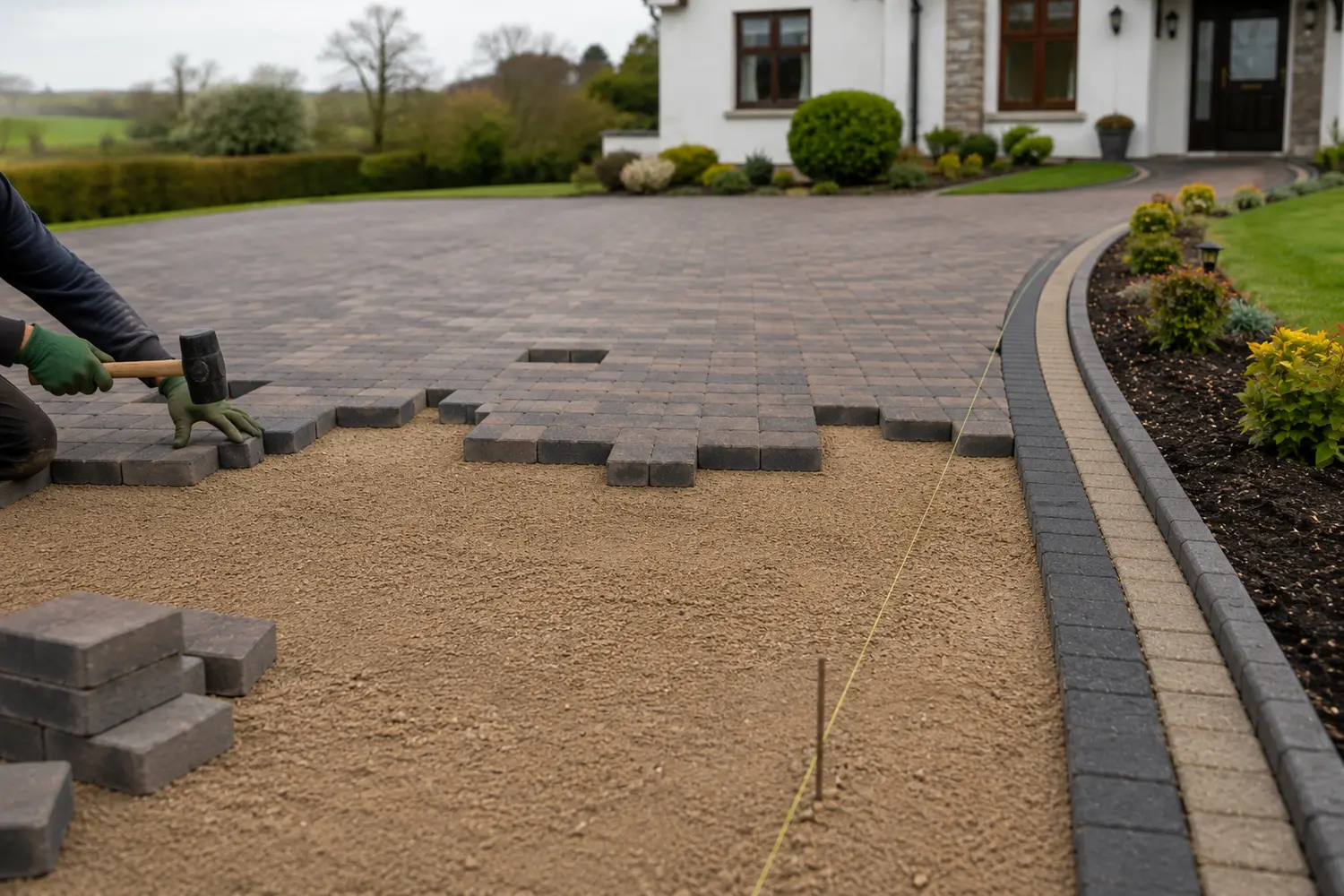
| Block paving | €80 to €140 | €7,000 to €13,000 |
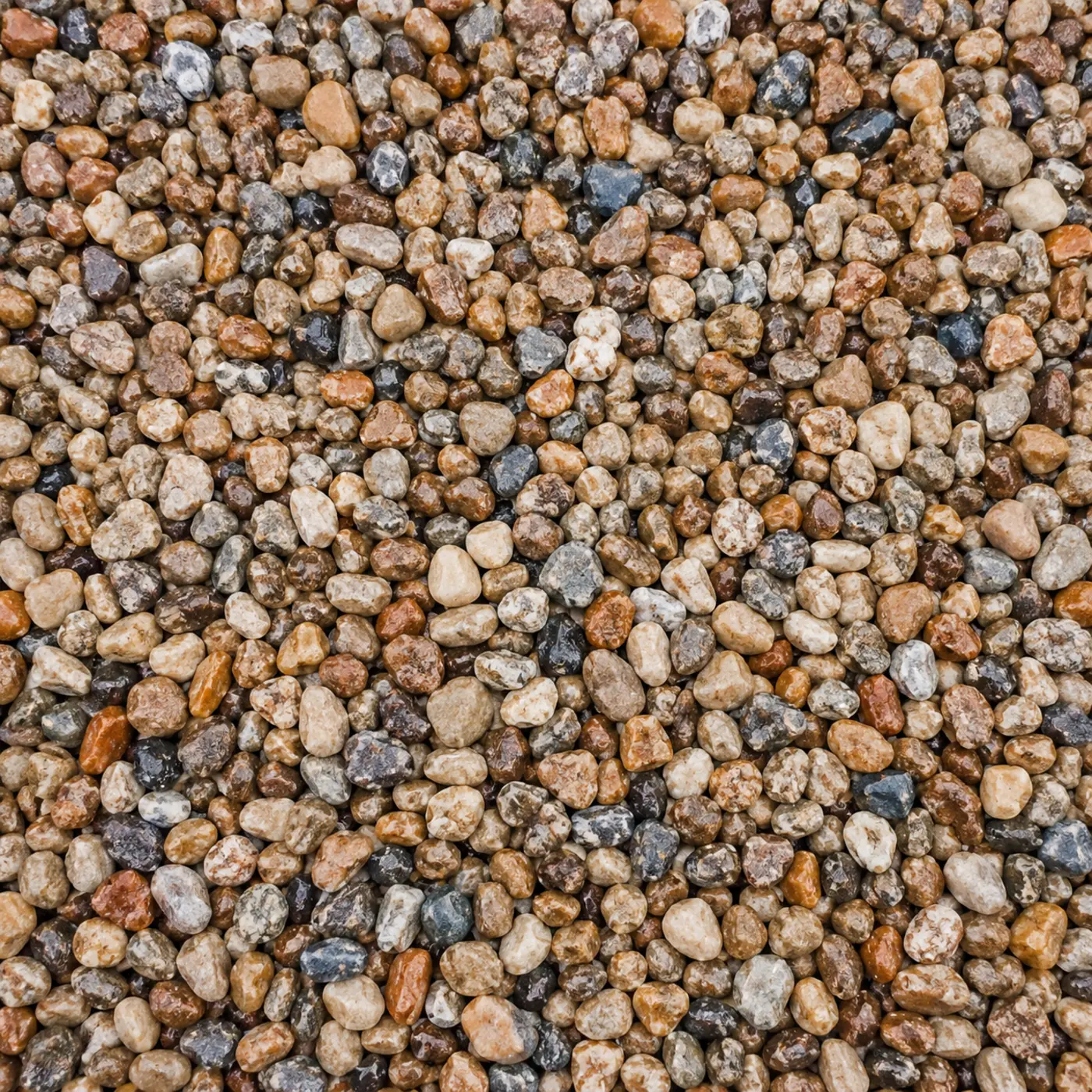
| Resin bound | €90 to €150 | €8,000 to €15,000 |
Figures are a 2026 guide for a standard domestic driveway of roughly 50 square metres. Each surface has its own detailed guide with prices by job size, so once you have narrowed the choice, read the tarmac, block paving or resin breakdown for your finish.
By size
Cost by Driveway Size
Per square metre prices only tell you so much, because the real bill depends on how big the drive is. Here is roughly what the common finishes come to across the three sizes most Irish homes fall into.
| Driveway size | Gravel | Tarmac | Block or resin |
|---|---|---|---|
| Single car, about 25 m² | €1,200 to €2,000 | €1,500 to €2,500 | €2,500 to €4,500 |
| Two car, about 50 m² | €2,500 to €5,000 | €4,000 to €8,000 | €7,000 to €15,000 |
| Large, 80 m² and up | €4,000 to €7,000 | €7,000 to €13,000 | €12,000 to €22,000 |
Small drives cost more per square metre than large ones, because the fixed cost of getting a crew and machines to site is spread over less ground. If your job is on the small side, expect the per-metre figure to sit near the top of the range.
What moves it
What Moves the Price Most
Four things decide most of the final figure, and only one of them is the surface you picked.
- Size and shape. Bigger costs more, but awkward shapes with lots of cutting and edging cost more per square metre than plain rectangles.
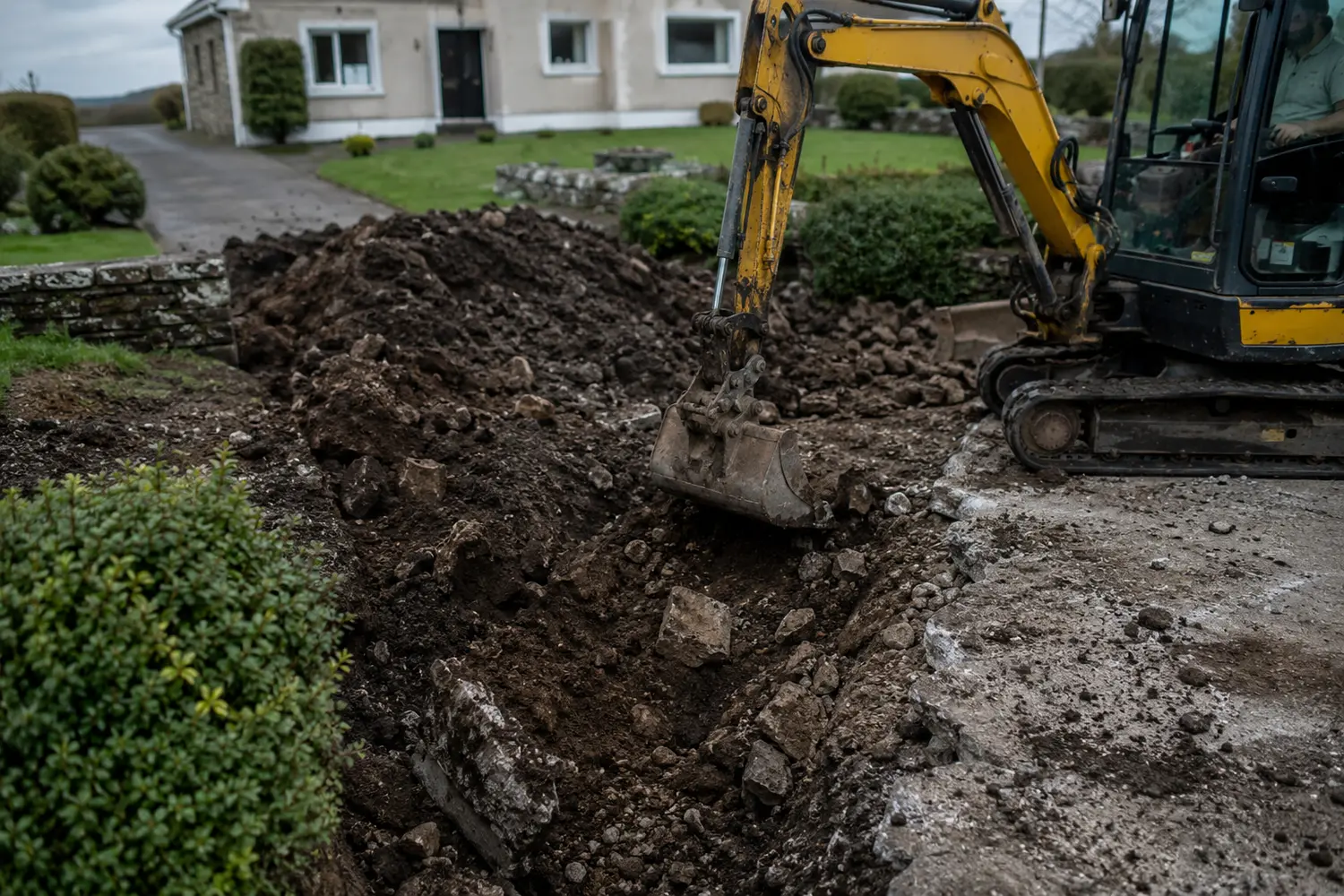
- The ground underneath. Solid, well-drained ground is cheap to build on, while soft ground or an old failing surface means dig-out, spoil away and a new sub-base.
- Access. If machines can drive straight on, the job is quick, but tight side passages and steps mean hand-barrowing, which is slow and dear.
- The finish and the extras. Kerbs, drainage channels, steps and patterned borders all add up, and they are exactly the lines a vague quote leaves out.
The extras
The Extras a Quote Should Spell Out
The headline surface price is rarely the whole job. These are the extras that separate a real quote from a lowball, and the ones worth pricing in from the start.
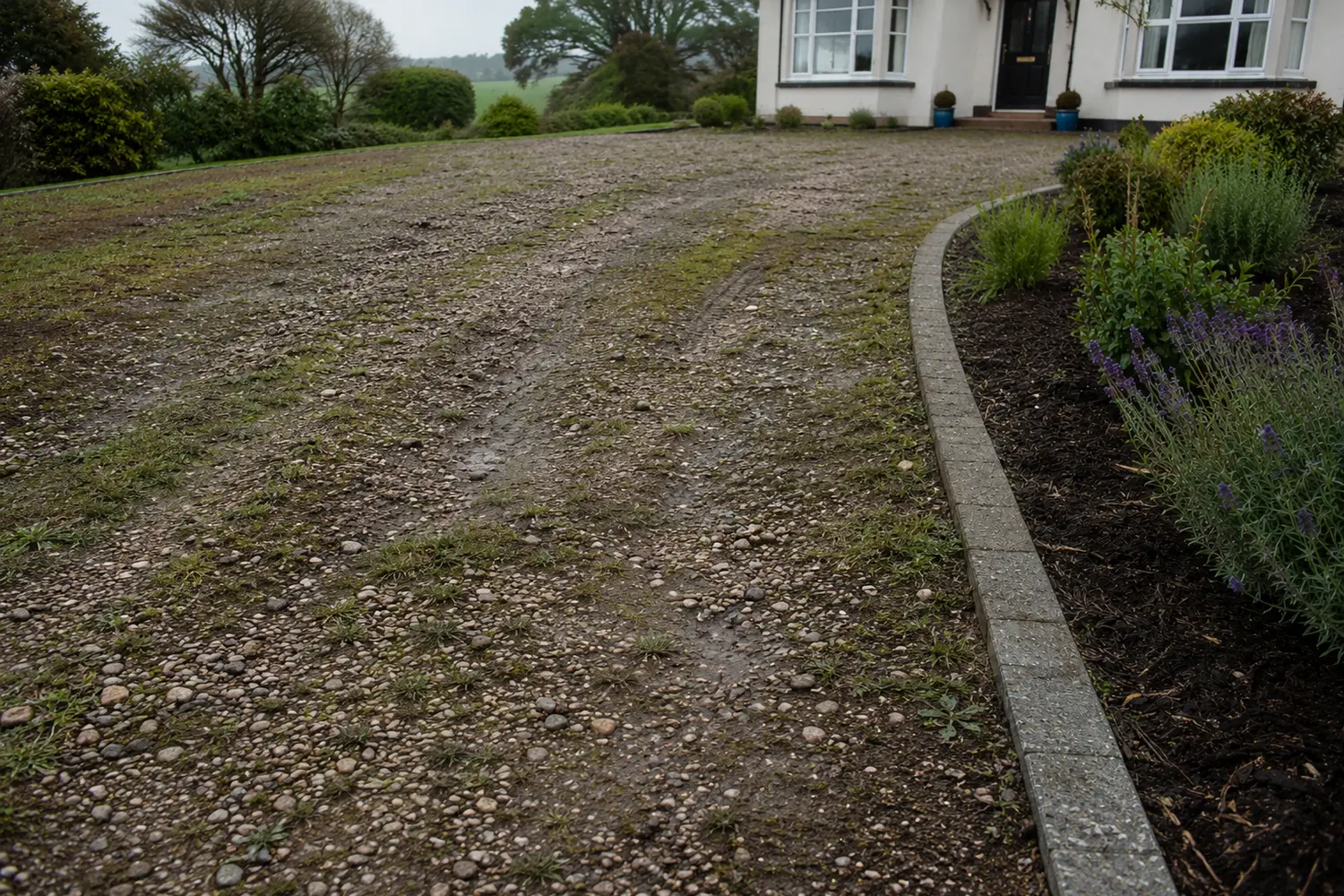
- Removing the old surface. Breaking up and carting away old concrete or tarmac, with skip or grab-lorry hire, commonly adds €500 to €1,500 depending on how much there is.
- The sub-base. On soft or failing ground, the dig-out, spoil removal and new compacted stone base is the single biggest extra, often €1,000 to €3,000 on a standard drive.
- Drainage. A permeable finish handles its own water, but solid surfaces need channels, gullies or a soakaway, typically a few hundred euro that a vague quote leaves out.
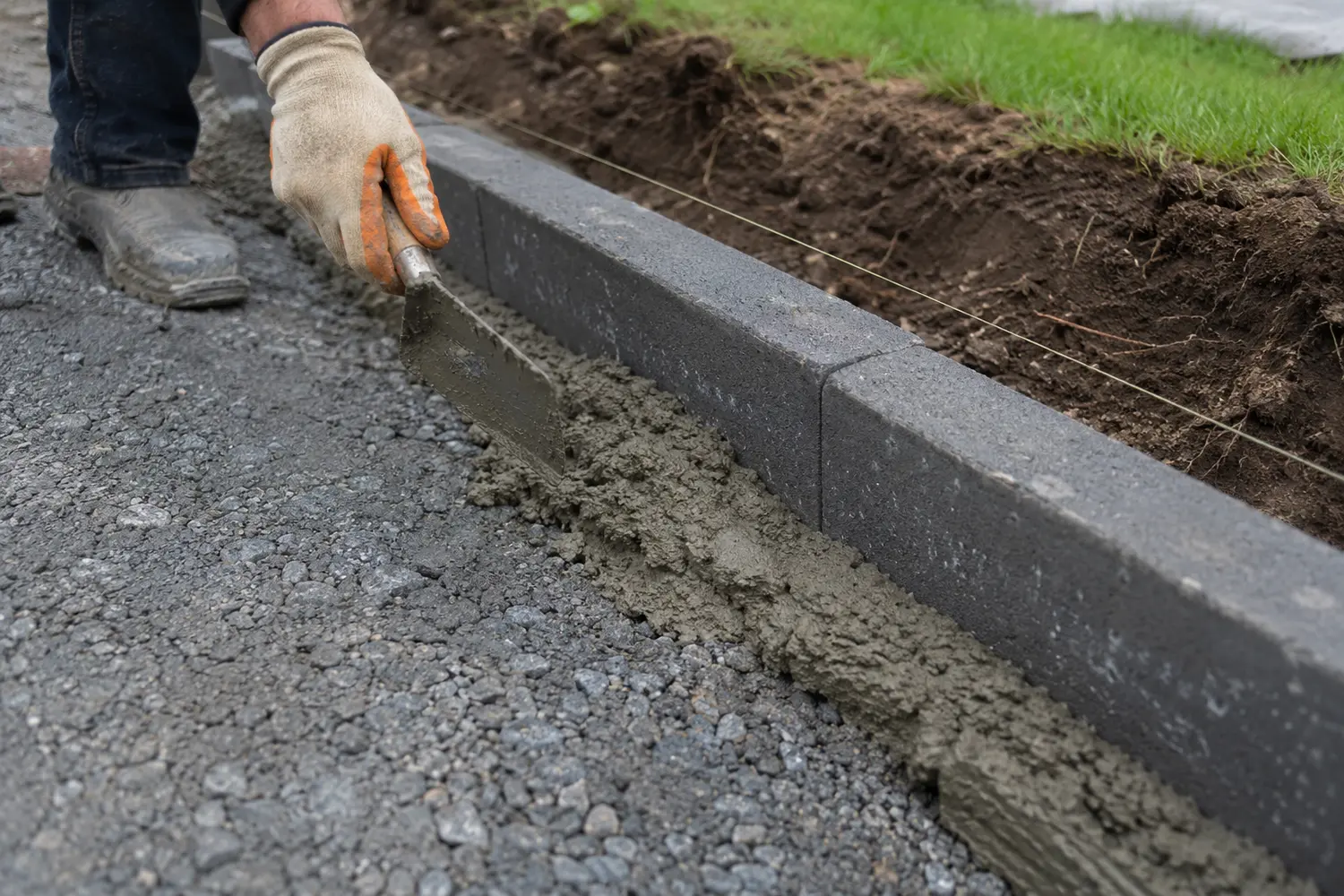
- Edging and kerbs. Tarmac and gravel both need restrained edges or they crumble and scatter, so budget for concrete kerbs or a block border.
- A new entrance. Creating a brand-new vehicle entrance onto a public road is a separate job that usually needs sign-off from your local council, and dishing the footpath kerb is priced on top.
Around Ireland
Does Driveway Cost Vary Around Ireland?
The surface prices are much the same nationwide, but the ground under your feet is not, and that is what moves the real cost from county to county. On the free-draining limestone of counties like Meath or Kildare, a driveway sits on sound ground and the base is quick to build. On the heavy drumlin clay of Leitrim, Cavan and Monaghan, or the soft bog of the midlands, the same drive needs a deeper dig-out and more stone before anything goes on top, which can add a few thousand euro.
The weather plays its part too. In the wetter west, from Kerry to Donegal, drainage is not optional, and flood-prone river towns push people toward permeable finishes that cost more up front. Our county pages set out the local ground, weather and flooding for each area, so it is worth reading the guide for your county before you price a job.
The hidden cost
The Sub-Base Is Where Cheap Quotes Cut Corners
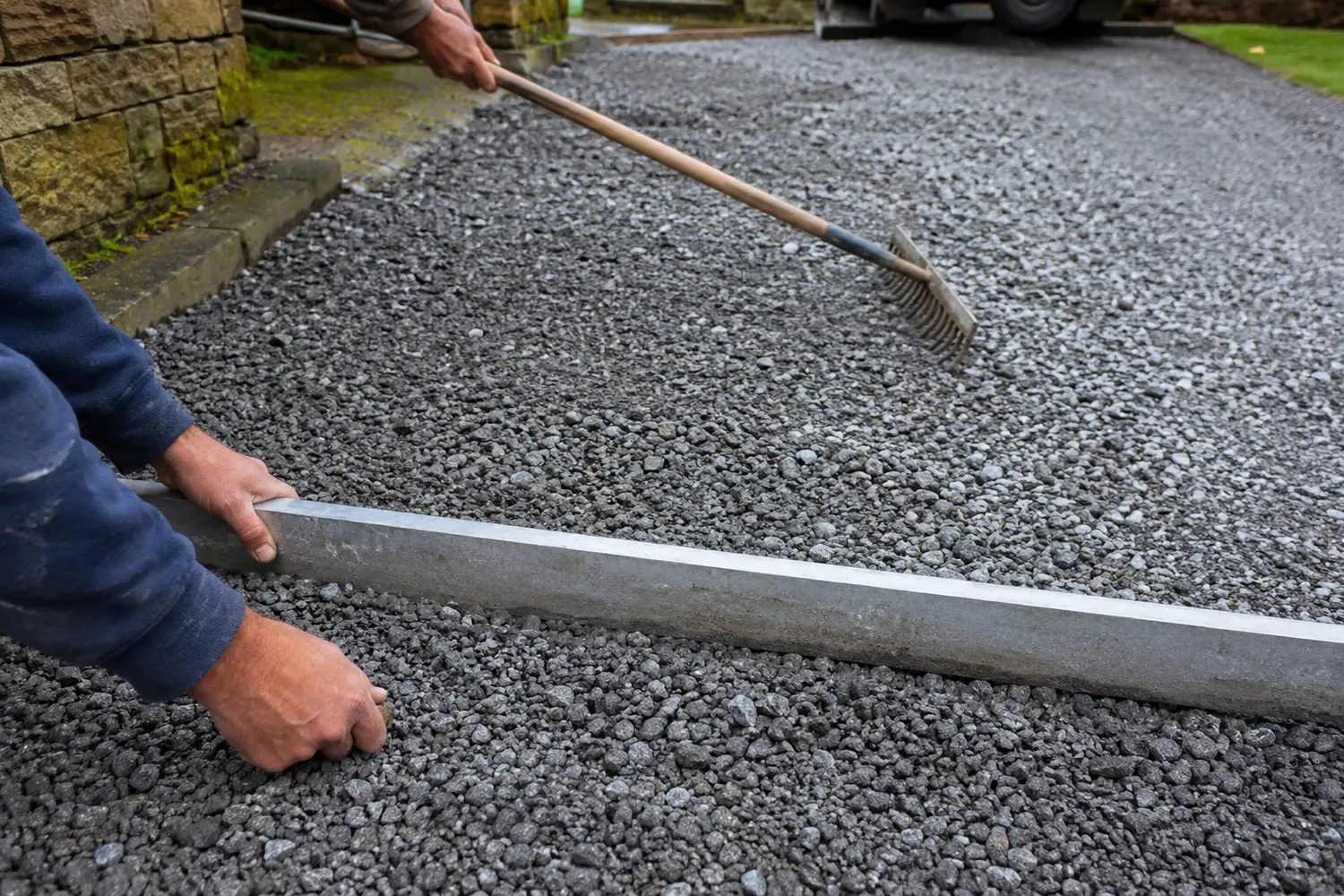
Every driveway that sinks, cracks or puddles early failed underneath, not on top. A proper job means digging down to firm ground, laying and compacting a stone sub-base in layers, and only then putting the finish on. That groundwork is invisible in a photograph and expensive to do right, which is why a suspiciously cheap quote is nearly always cheap in the part you cannot see.
When you compare prices, ask each paving contractor to state the excavation depth and the sub-base depth in writing. If one quote is thousands below the rest, that written spec will usually tell you exactly why.
A worked example
A Worked Example
Take a plain 50 square metre two-car drive on sound ground. In gravel it lands around €3,000. In tarmac, expect somewhere near €5,000. Good block paving comes in around €9,000, while resin bound sits near €11,000. Move the same job onto soft ground with a full dig-out and each figure climbs by a few thousand, which is why comparing quotes on the same written scope matters more than the headline number.
Saving well
Bringing the Cost Down Without Cutting Corners
There is a right way and a wrong way to save on a driveway. The right way trims the parts you can see, while the wrong way trims the parts you cannot, and costs more in the end. These are the honest ways to bring the number down:
- Resurface instead of rebuild where the base is genuinely sound, which can roughly halve a tarmac or resin job.
- Choose a plainer stone blend or a standard block over a premium one, and keep the shape simple with fewer curves and cuts.
- Book in autumn or winter, when waiting lists are shorter and prices can soften, weather permitting.
- Price the same written scope with two or three contractors so the market sets the number, not the first quote through the door.
And these are the false economies that come back to bite:
- Skimping on the sub-base depth, which is the number-one reason driveways sink.
- A thin surface layer, whether that is thin tarmac or shallow resin.
- Cheap resin that yellows in the sun, or skipping the edge restraints that hold the whole thing together.
- Taking the cash-only doorstep price to save on paperwork you will wish you had kept.
The cost later
The Cost You Pay Later, Not Just on the Day
The cheapest driveway to lay is not always the cheapest to own. Gravel is the lowest up front, but it needs raking and a fresh bag or two of stone every few years to keep it looking full. Tarmac asks for little beyond the odd wash and an optional reseal down the line. Block paving needs its joints topped up with sand and the occasional weed seen to, though single blocks can be lifted and relaid rather than patched. Resin bound is the lowest-maintenance of the lot, wanting no more than a power-wash once a year.
Over fifteen or twenty years those small jobs add up differently, so if you are weighing a cheaper surface against a dearer one, it pays to think about the upkeep as well as the price on the day.
Compare fairly
How to Compare Quotes Fairly
Get three quotes, and make sure each covers the same scope. Excavation, sub-base, membrane, edging, drainage and the finished surface should all be listed, along with a timeline. Check each contractor’s Google reviews before you decide, and treat the middle quote with a clear written spec as the benchmark rather than the cheapest number on the page. The full checklist is in how to choose a paving contractor.
Common questions
How Much Does a Driveway Cost in Ireland: Your Questions Answered
What Is the Cheapest Driveway Surface in Ireland?
Gravel is the cheapest to lay, typically €2,500 to €5,000 for a standard drive. It needs topping up and raking over the years, so some of that saving comes back as upkeep.
How Much Is a Driveway per Square Metre in Ireland?
As a 2026 guide, gravel runs about €40 to €70 per square metre, tarmac €50 to €90, block paving €80 to €140 and resin bound €90 to €150, all laid. Small driveways cost more per metre than large ones, because the fixed cost of getting a crew to site is spread over less ground.
What Is the Most Expensive Driveway Surface?
Resin bound usually costs the most, at €8,000 to €15,000 for a typical driveway. It buys a smooth, weed-free, free-draining finish that holds its looks with very little work.
How Much Does It Cost to Remove an Old Driveway?
Breaking up and carting away an old concrete or tarmac drive, with skip or grab-lorry hire, typically adds €500 to €1,500 depending on how much there is and how easy it is to reach. It is one of the first extras a proper quote will list.
What Is the Cheapest Way to Do a Driveway?
Gravel over a sound base is the cheapest new surface, and resurfacing an existing solid base rather than digging it out is the cheapest way to renew a drive. Both only work if the ground underneath is genuinely sound, so it is worth having a contractor check before you commit.
Does a Driveway Cost More in Some Parts of Ireland?
The surface prices are much the same nationwide, but soft bog or heavy clay ground, common across the midlands and the border counties, needs a deeper base and pushes the cost up, while the free-draining limestone of the east is quicker and cheaper to build on.
Does a New Driveway Add Value to a House?
A tidy, well-laid driveway improves first impressions and helps a house sell, though no honest contractor will promise a specific figure. The safest way to think of it is kerb appeal plus one less job for the next owner to price.
Do I Need Planning Permission for a New Driveway?
Usually no. If you are hard-surfacing a large front garden with a material rain cannot soak through, you may need to deal with surface water drainage or check with your local authority. Permeable finishes like gravel and resin bound generally sidestep the issue.
How Long Does a New Driveway Take to Lay?
Most home driveways take three to seven days depending on the surface, the size and the groundwork. A straight resurface is quicker, while a full dig-out and rebuild takes longer.
From reading to quotes
Get Real Prices for Your Job
Guide figures set your expectations, but the only number that matters is a written quote for your exact driveway. Compare local, Google-reviewed paving contractors and ask a few.
Real contractors, all 26 counties