Ireland's Leading Paving Contractor Directory
Find Block Paving Contractors in Ireland
Compare local, Google-reviewed block paving contractors across Ireland, county by county, each with real ratings you can check. We help you shortlist a trusted specialist and get quotes.
What it is
What Is Block Paving?
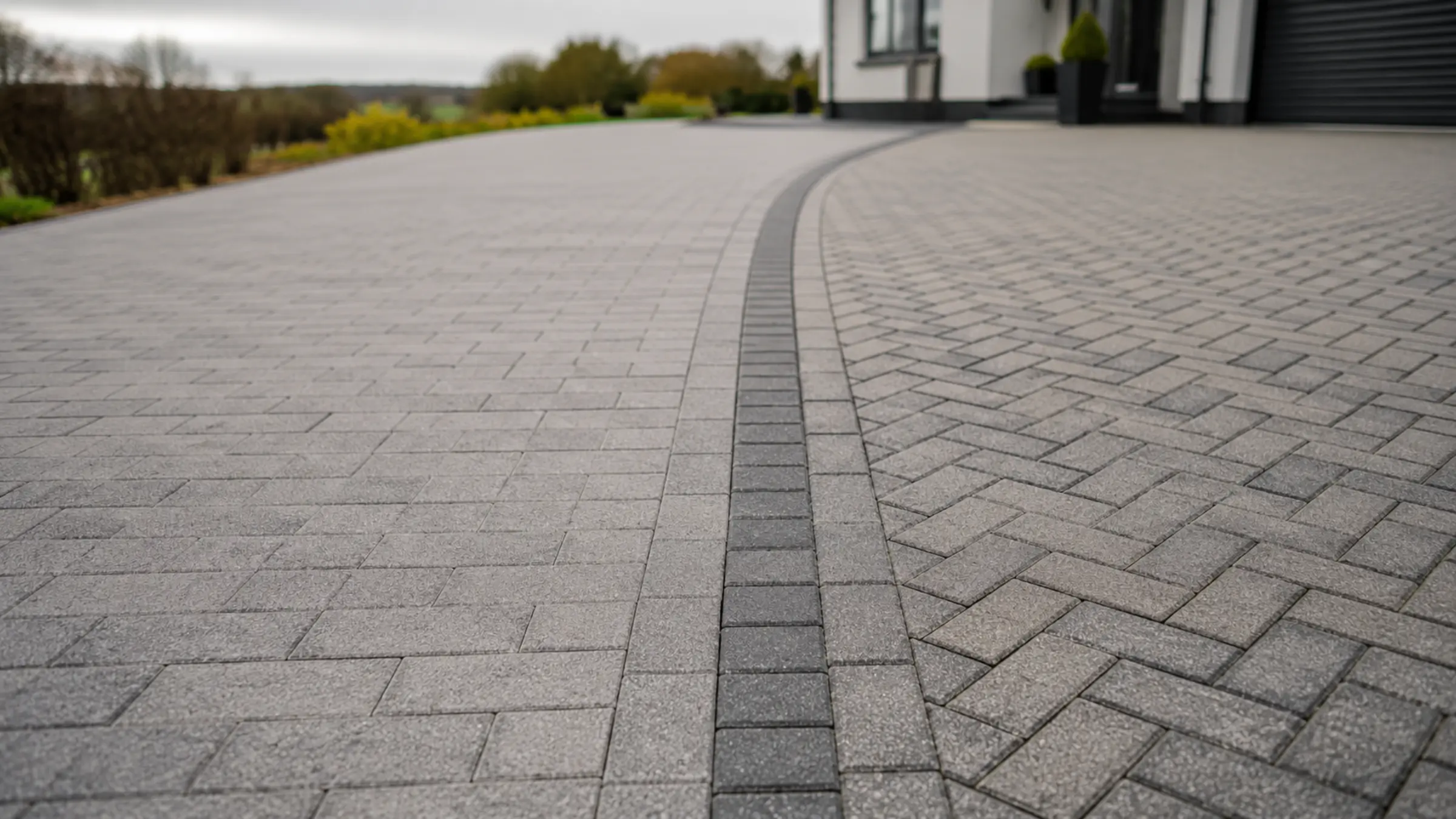
Block paving, often called cobblelock, is a driveway made from lots of individual blocks laid in a pattern over a compacted base and locked together with sand. Because it is separate blocks, you get patterns and colours, and a single damaged block can be lifted and swapped without redoing the whole drive.
You will recognise it by the pattern, usually a herringbone or basketweave of small rectangular blocks, with a neat border running around the edge. It is the surface people choose when they want the driveway to look smart, not just tidy.
The honest version
The Good and the Bad, Straight
No sales pitch. Here is what people love about block paving and what to keep an eye on before you spend the money.
What Is Good
- Patterns, colours and borders, the most decorative option
- A damaged block lifts and replaces, no big repair
- Very hard-wearing on a proper base
- Permeable versions available for drainage
- Adds a smart, finished look to the front of a house
What to Watch
- Weeds and moss can grow in the sand joints over time
- The joints need re-sanding every few years
- Can sink or rut if the base was skimped
- Dearer than tarmac for the same area
The honest bit
Do the Blocks Sink, and Do Weeds Grow Between Them?
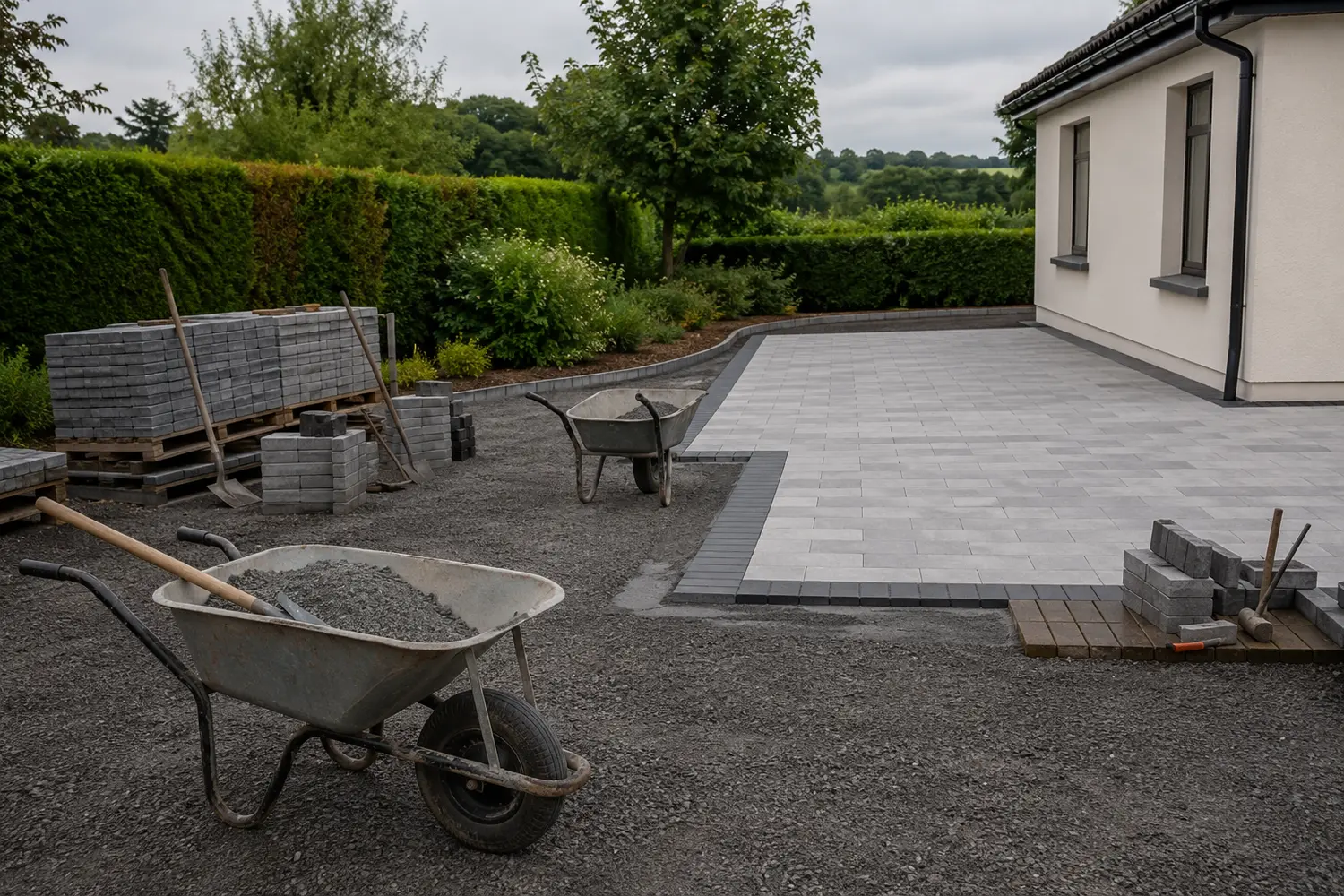
The two things people ask about are sinking and weeds, and both come down to how it was laid. On a properly compacted base with solid edge restraints, the blocks stay put for years. Where the base was rushed, you get dips and rutting where the cars sit and turn.
Weeds and moss can appear in the sand joints, more so in damp, shady spots. A stiff brush, the odd weedkiller and a top-up of kiln-dried sand keep them down, and re-sanding the joints every few years keeps the whole drive tight and tidy. It is a bit more upkeep than resin or tarmac, but the look is the trade-off.
Get free quotes →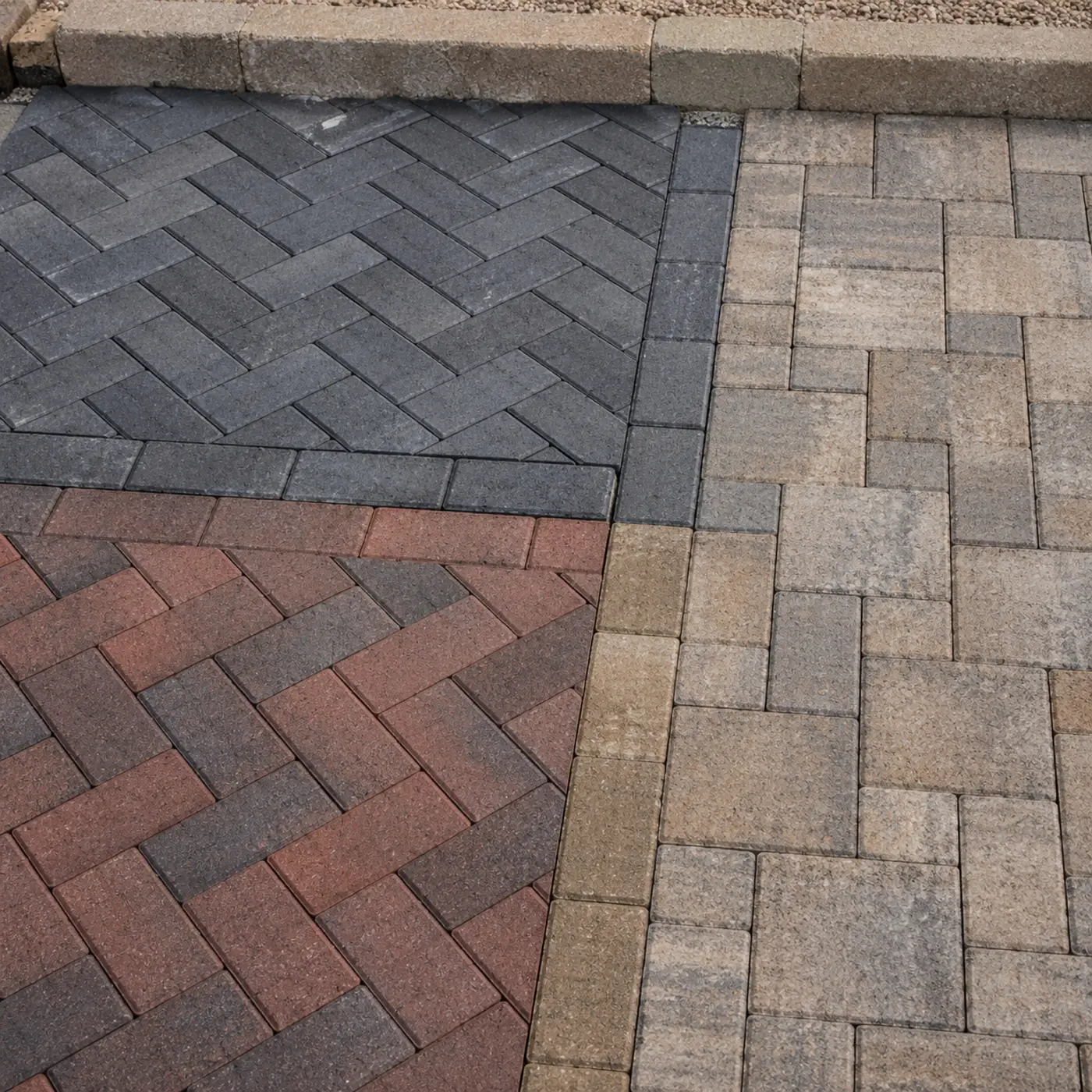
What it costs
How Much Does Block Paving Cost in Ireland?
Block paving sits at the mid-to-upper end, dearer than tarmac and around the same as resin. You are paying for the blocks themselves and the labour to lay each one by hand, which is exactly where the pattern and the finish come from.
The size, the pattern, the block you pick and the groundwork all move the price. Compare a couple of quotes for your driveway so you are pricing the same job, base and all, not just the blocks.
Compare free quotes →Time and lifespan
How Long Does It Take, and How Long Does It Last?
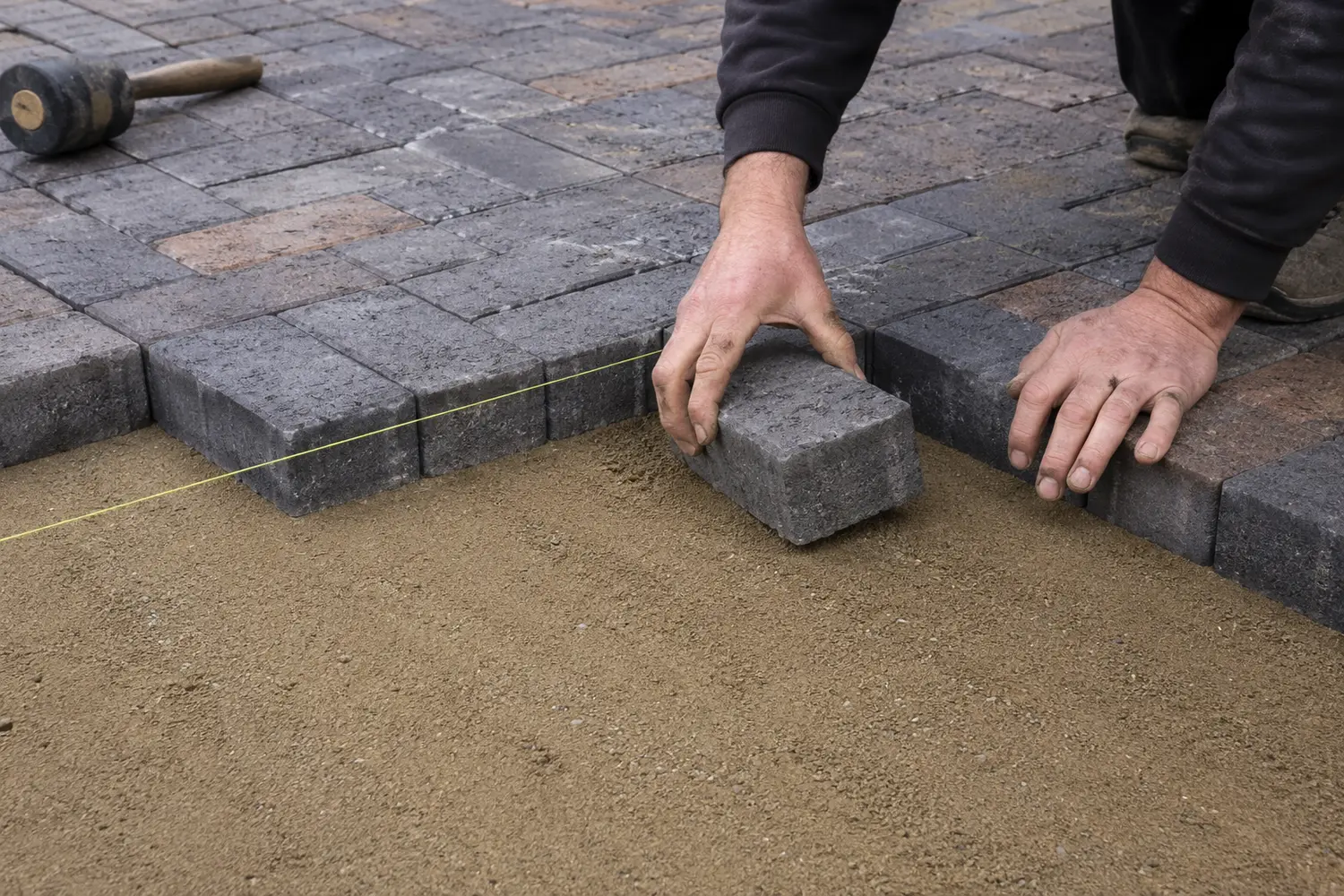
Laying block paving takes longer than tarmac or resin because every block is set by hand, so a normal driveway is usually a few days once the base is ready.
Well-laid block paving lasts twenty years or more, and because single blocks can be lifted and replaced, it ages better than most surfaces. The compacted base and the edge restraints are what keep it tight, so the groundwork is everything.
Protect yourself
What Guarantee Should You Get?
A contractor who is confident in their work will stand over it with a written guarantee, and put it in writing before they start rather than on a handshake. Then check their Google reviews to see how they actually treat people when something needs sorting. That tells you more than any sales chat.
- A written guarantee, agreed before work starts
- Real Google reviews from local customers
- Insured, and happy to show you a finished drive nearby
Before you hire
Questions to Ask Your Block Paving Contractor
The answers to these tell you quickly whether you are dealing with someone good.
Is Block Paving a Good Idea?
If you want the driveway to look smart, yes. It gives you patterns, colours and a finish the other surfaces cannot, and single blocks can be replaced. The trade-off is a bit more upkeep in the joints.
What Are the Disadvantages of Block Paving?
Weeds and moss can grow in the sand joints, the joints need re-sanding every few years, it can sink if the base was skimped, and it costs more than tarmac for the same area.
How Do I Stop Weeds in Block Paving?
Keep the joints topped up with kiln-dried sand, brush the drive now and then, and treat weeds when they appear. Re-sanding every few years keeps the joints tight so weeds get less of a foothold.
Do Block Paving Driveways Sink?
Only if the base was rushed. On a properly compacted base with solid edge restraints the blocks stay put for years. Sinking and rutting almost always point to skimped groundwork.
How Long Does Block Paving Last?
Twenty years or more when it is laid on a good base, and single damaged blocks can be swapped out rather than redoing the whole drive.
Is Block Paving Cheaper Than Resin?
They are roughly on a par, both in the mid-to-upper range and both dearer than tarmac. Compare quotes for your exact driveway to see which comes in better for your job.
Local contractors
Block Paving Contractors Near You
See specialists who cover your county, with their real Google reviews, and ask a few for a quote.
Get started
Get Free Quotes for Block Paving Work
Compare local, Google-reviewed contractors across all 26 counties and ask a few for a free quote on your exact driveway.
663 contractors nationwide